The MacIver Kids Adventures ·
Lawrence Nault · Science Fiction · Published 2022
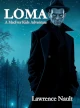
Lawrence Nault wrote LOMA around the idea that adventure stories can make room for children who are often pushed to the margins, including a boy in a wheelchair whose value is never reduced to his disability. At its heart, the book is about found family, belonging, and the way children who have each been displaced or wounded can still become brave together. What makes LOMA distinct is its blend of grounded family life, disability representation, and science-fiction mystery without treating difference as something to be fixed.
LOMA began with a simple question: what happens when the child at the centre of the adventure is not the one most adventure stories would have chosen first? Allen uses a wheelchair, but I never wanted his disability to be treated as either a limitation to overcome or a lesson for everyone else. It is part of who he is, part of how he moves through the world, and part of how the world responds to him. The real story is not about fixing him. It is about seeing him.
The MacIver family gave me a way to write about belonging without pretending belonging is always neat or easy. These are children who have come from different losses, different wounds, and different beginnings, but they have been gathered into a home where family is not defined by blood. That mattered to me. I wanted young readers to see that family can be built, chosen, protected, argued with, and still deeply loved.
The research behind LOMA was less about technology or distant worlds and more about paying attention to how children live inside difference. Disability, adoption, foster care, sibling loyalty, childhood fear, imagination, and courage all shape the book. The science-fiction elements give the story wonder and momentum, but the emotional centre remains very human: children trying to understand what is happening around them while learning how much they can trust one another.
I hope readers come away from LOMA with a sense that adventure does not belong only to the strongest, fastest, loudest, or most obvious hero. Sometimes the person who notices what others miss is the one who changes everything. The book is written for young readers who want mystery and imagination, but also for educators, librarians, and families looking for a story where disability representation, found family, and science fiction are woven together with care.
Free downloadable guides for educators, librarians, and book clubs.
LOMA is recommended for Grades 5–8 and supports classroom study across language arts, social studies, science, math, and the arts. The novel offers strong curriculum connections through character analysis, narrative writing, point of view, folklore, and storytelling, while also opening discussion around family structures, foster care, adoption, cultural diversity, disability representation, identity, and belonging. Its science-fiction framework allows students to explore the solar system, adaptive technology, accessibility, simple machines, energy concepts, and basic biology, while related projects can include mapping, measurement, wheelchair design, visual art, book trailers, journals, and creative or analytical writing. Because the story includes emotional themes such as loss, family separation, and belonging, it is especially useful for guided discussion, empathy-building, and cross-curricular inquiry.
Download PDFThe LOMA book club guide provides discussion prompts and activities to help readers explore the novel’s blend of science fiction, family drama, disability representation, cultural identity, and found-family themes. It opens with broad reader-response questions before moving into deeper conversations about belonging, self-discovery, choice, destiny, foster care, adoption, and the ways different children contribute to the group. The guide also includes character-focused discussion points, plot and structure questions, symbolic elements such as the crystal, tree house, woods, Fritter, and the mountain, as well as science-fiction topics like alien life and energy balance. To support group engagement, it offers book club activities including character maps, personal reflections on family and belonging, creative alien drawings, scene playlists, and designing Allen’s off-road wheelchair, ending with reflective questions about what readers learned, what surprised them, and what they will remember.
Download PDF